
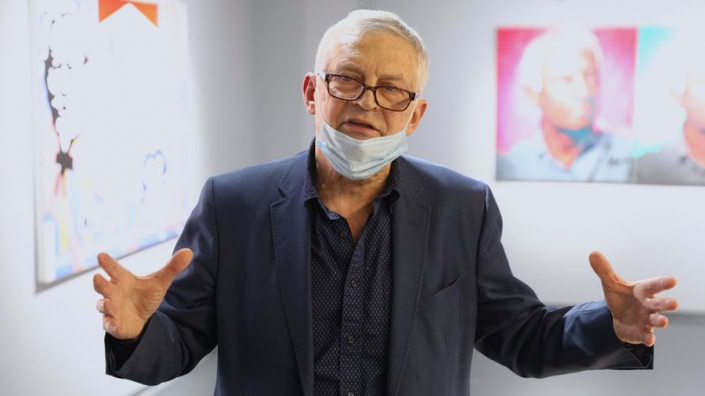
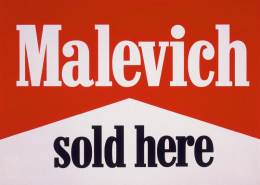
Малевич как мем: выставка классика соц-арта Александра Косолапова
Проект DTM в московской галерее Syntax…
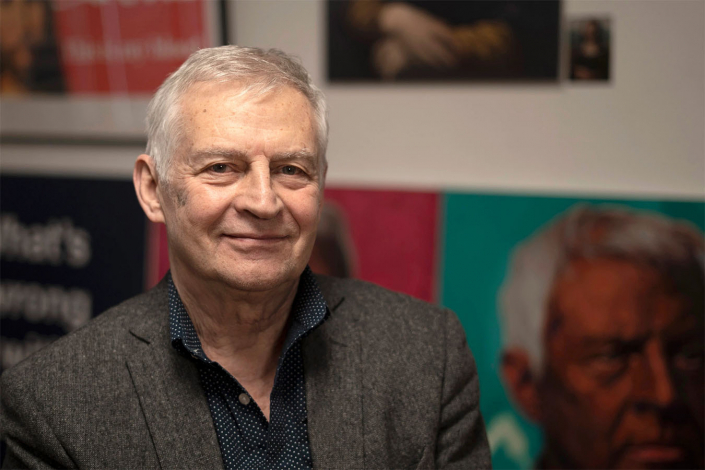
Alexander Kosolapov: back in Moscow
One of the founding fathers of the Sots-Art movement, known for his caustic comments on today’s society on both sides of the Atlantic, is about to unveil a new project in Moscow, once the pandemic-related regulations are lifted.
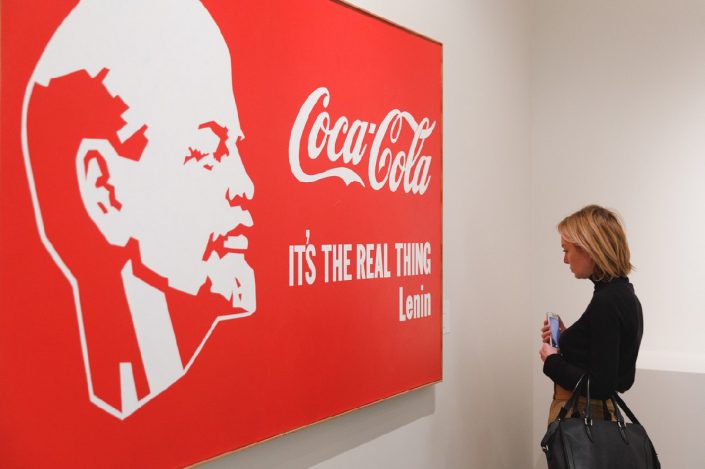
Выставка «Александр Косолапов. Ленин и Кока-кола»
С 29 ноября по 11 февраля…
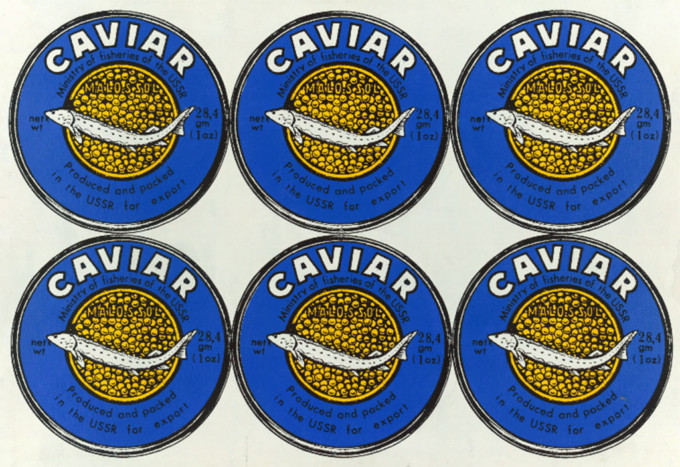
Бренд и сумасшедшие: Игорь Цуканов о выставке Александра Косолапова в Москве
В ММСИ показывают соц-арт Александра Косолапова, который как красная тряпка и для русских, и для американцев
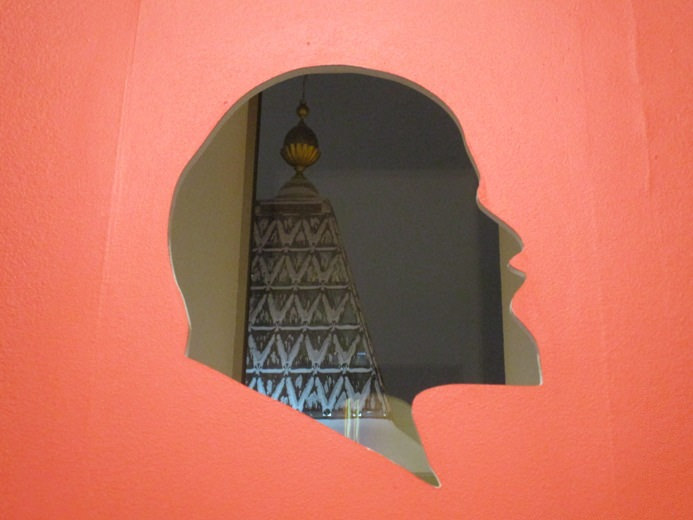
Александр Косолапов: персональная выставка
В здании Московского музея современного…
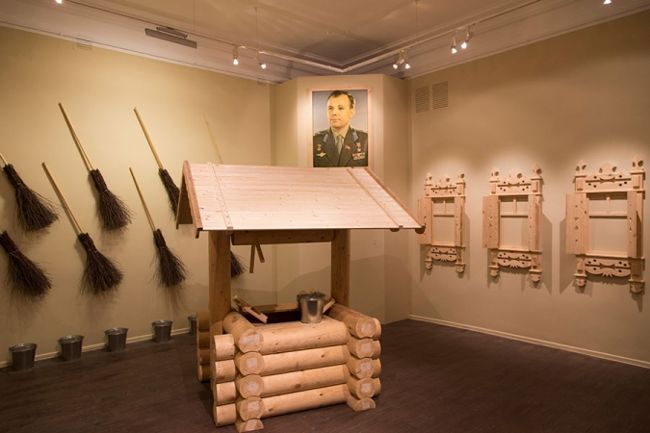
В Московском музее современного искусства проходит первая персональная выставка Александра Косолапова — русско-американского художника
Московский музей современного искусства…
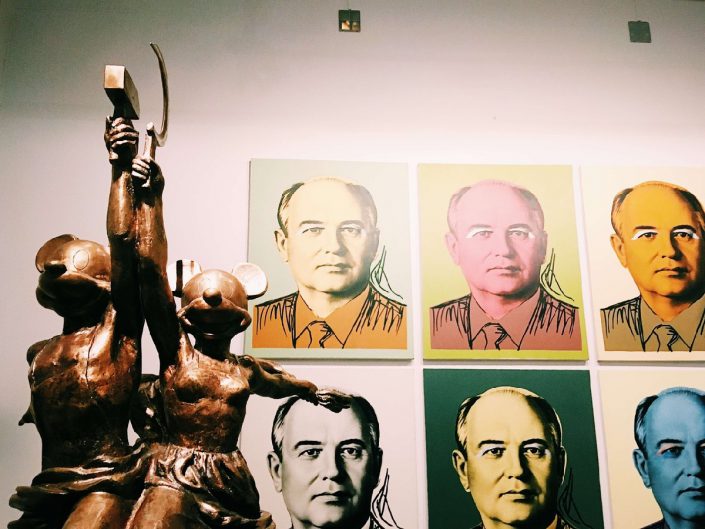
Эта шутка будет вечной, если…
Александр Косолапов родился в 1943-м,…
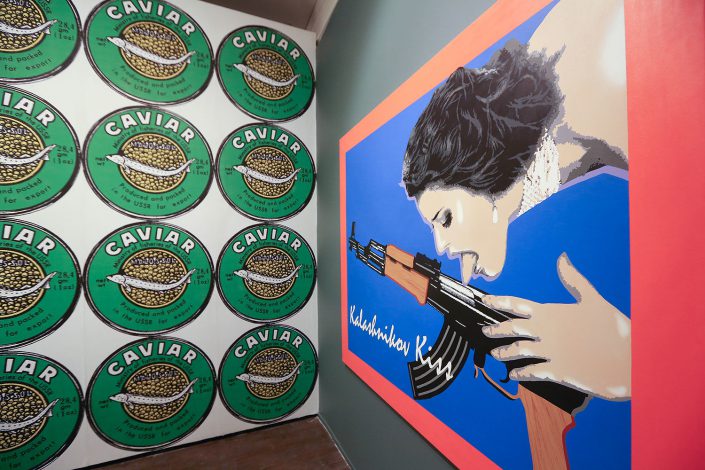
Александр Косолапов соединил профиль Ленина с логотипом кока-колы, тем и знаменит
Выставка Александра Косолапова…
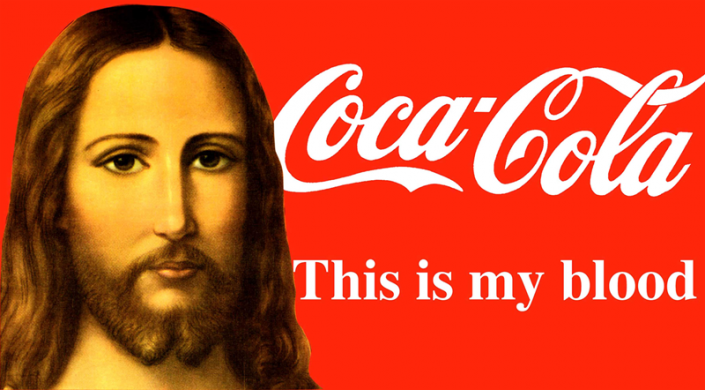
See the Most Controversial Depictions of Jesus in Art
Although one can't really be blamed for thinking that Christmas…
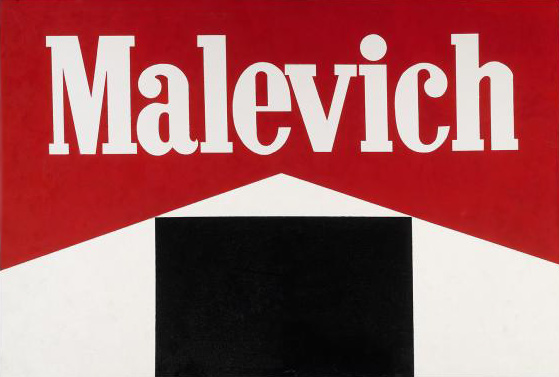
The flip side of pop art
After Warhol, pop art underwent a controversial revival in Russia…
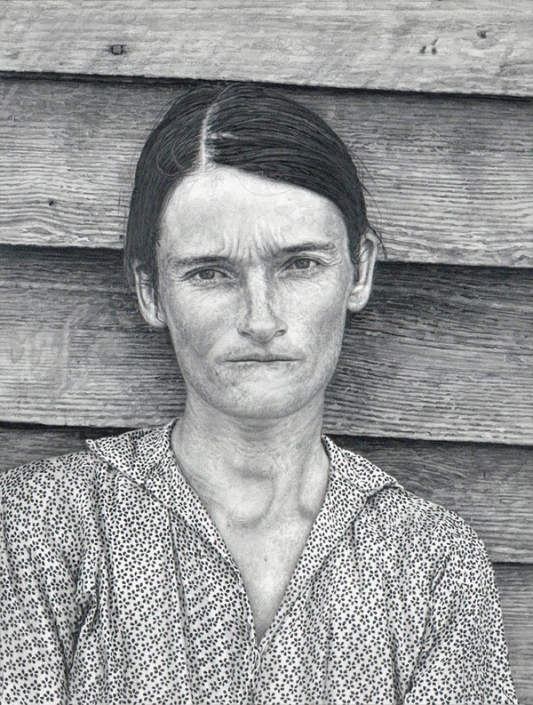
Appropriation: Good Artists Borrow, Great Artists Steal
Whether it’s called parody, pastiche, copy, imitation, plagiarism,…
Sots Art: Kosolapov, Komar and Melamid, and Bulatov
While Kabakov rejected official art to create non-art, sots artists,…
Blog Posts
The 20 latest Blog Posts
- Александр Косолапов: «Я из поколения „бунта“»
- Малевич как мем: выставка классика соц-арта Александра Косолапова
- «DTM» — персональная выставка Александра Косолапова в галерее Syntax
- Видеорепортаж телеканала «Россия-Культура» о выставке Александра Косолапова «DTM»
- Сэндвич из тоталитаризма и авангарда: художник Александр Косолапов о «провинциальном» русском искусстве и коммунистической «кока-коле»
- Alexander Kosolapov: back in Moscow
- And I Will Take You to Paradise
- “Unexchangeable”, WIELS, Contemporary Art Centre, Brussels
- Виртуальная экскурсия по выставке Александра Косолапова в Московском музее современного искусства
- Alexander Kosolapov on his project “Lenin – Coca-Cola”
- Александр Косолапов в «Музейных палатах»
- «Действующие лица», гость: художник Александр Косолапов
- Выставка «Александр Косолапов. Ленин и Кока-кола»
- Бренд и сумасшедшие: Игорь Цуканов о выставке Александра Косолапова в Москве
- Александр Косолапов: персональная выставка
- В Московском музее современного искусства проходит первая персональная выставка Александра Косолапова — русско-американского художника
- Эта шутка будет вечной, если…
- Говорит Косолапов
- Александр Косолапов соединил профиль Ленина с логотипом кока-колы, тем и знаменит
- Александр Косолапов: «Ай Вэйвэй использовал мою идею с Coca-Сola»
Portfolio
The 8 latest Portfolio Entries
Pages
Categories
Archives by Subject:
Monthly
Archives by Month:
- February 2021
- January 2021
- December 2020
- April 2018
- February 2018
- January 2018
- December 2017
- November 2017
- November 2016
- August 2015
- January 2015
- December 2014
- November 2014
- February 2014
- November 2013
- October 2013
- April 2013
- September 2012
- July 2012
- June 2012
- March 2012
- October 2011
- September 2010
- July 2010
- May 2010
- April 2010
- December 2009
- October 2009
- June 2009
- January 2009
- November 2008
- October 2008
- September 2008
- August 2008
- June 2008
- May 2008
- February 2008
- December 2007
- October 2007
- June 2007
- March 2007
- September 2006
- June 2006
- May 2006
- April 2006
- January 2006
- December 2005
- November 2005
- October 2005
- September 2005
- August 2005
- May 2005
- March 2005
- February 2005
- January 2005
- December 2004
- November 2004
- July 2004
- April 2004
- November 2003
- September 2003
- February 2003
- January 2003